

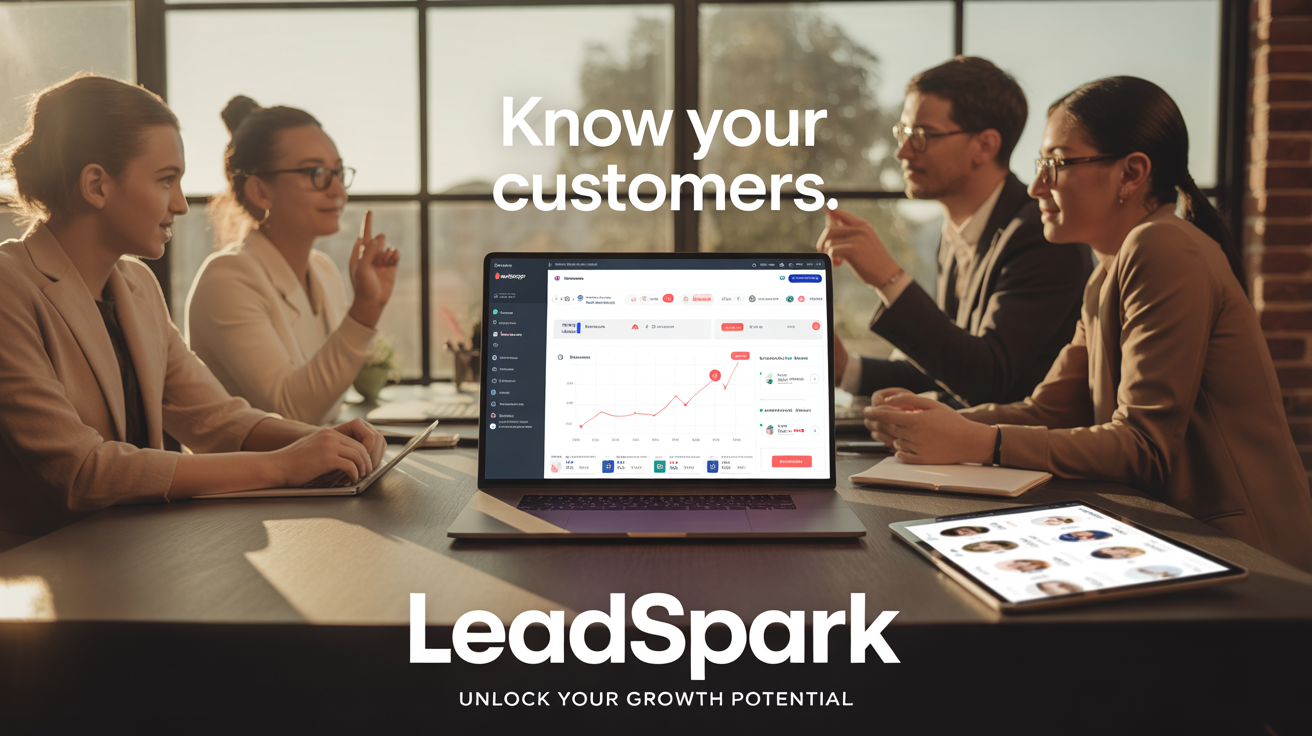
Understanding your audience is key to business success. “Know your customer and get the leads” isn’t just a catchphrase; it’s the foundation for building trust, attracting loyal buyers, and optimizing your marketing investments. In today’s digital age, businesses that truly understand their customers outpace the competition and secure long-term, quality leads.
Why Knowing Your Customer Matters
Businesses can no longer rely on guesswork or gut instincts. Customers expect personalized experiences, quick solutions, and relevant offers. When you genuinely know your customer, you can deliver tailored messages and products that stand out. But the benefits go beyond sales and conversions:
- Build greater customer trust and loyalty
- Reduce wasted marketing spend
- Improve product development based on real needs
- Generate higher-quality leads likely to convert
By focusing on “know your customer and get the leads,” you ensure every aspect of your business is centered around real people’s needs and aspirations.
What Does It Mean to "Know Your Customer"?
Knowing your customer is about more than remembering a name or purchase history. It’s a thorough understanding of their desires, challenges, and motivations. This is done through a combination of:
- Demographic data (age, gender, income, location)
- Psychographic insights (values, interests, lifestyle)
- Behavioral patterns (purchasing habits, preferred channels)
- Feedback loops (surveys, reviews, direct conversations)
These insights help you create a full customer profile, allowing your business to design better products, smarter campaigns, and seamless customer journeys.
Effective Ways to Gather Customer Insights
Collecting customer data doesn’t have to be invasive or complicated. Here are practical methods to truly “know your customer and get the leads”:
1. Use Analytics Tools
Website and social media analytics can reveal where your customers come from, what interests them, how they interact with your brand, and when they’re most active.
- Google Analytics tracks web traffic patterns and user behaviors.
- Social platforms offer built-in insights about engagement and audience demographics.
2. Conduct Surveys and Polls
Quick surveys can uncover opinions, pain points, or product preferences. Make surveys short and focused for higher completion rates.
- Use online tools for smooth distribution.
- Offer incentives to encourage honest responses.
3. Analyze Customer Interactions
Study chats, calls, or support tickets to spot trends and common questions. These direct points of contact offer unfiltered feedback, showing you what’s going well and what needs work.
4. Monitor Reviews and Testimonials
Third-party feedback provides a wealth of information about what your customers truly value (or dislike). Responding to reviews demonstrates active listening and builds trust.
5. Build Customer Personas
Personas are fictional profiles based on real data. They represent typical customers—complete with motivations, frustrations, and desired outcomes. These profiles help teams across your business target messaging, offers, and product improvements more effectively.
Turning Customer Knowledge Into Quality Leads
Knowing your customer is only useful if you channel those insights into action. Here’s how understanding your audience directly fuels lead generation:
Enhanced Personalization
Personalized content resonates more strongly than generic marketing. When you use your knowledge to tailor emails, ads, or website experiences, prospects feel seen and understood. This increases click-through rates, reduces bounce, and motivates people to share their contact details.
- Address prospects by name and reference their specific interests.
- Deliver relevant offers based on browsing or buying history.
Targeted Marketing Campaigns
Knowing who’s most likely to buy— and why— lets you focus resources where they matter most. Avoid scattershot marketing. Instead, craft messages for different segments:
- Retargeting campaigns for previous visitors
- Special promotions for loyal customers
- Customized ads for lookalike audiences
This ensures you spend advertising dollars only on leads with real potential.
Smarter Content Creation
Content is a prime tool in attracting leads, but not every piece will connect with everyone. Tailor your blog posts, social updates, or videos to answer common customer questions, solve real problems, or showcase solutions.
- Create how-to guides addressing user needs
- Share client success stories that reflect common goals among your audience
Improved Lead Forms and CTAs
Knowing your customer allows you to craft lead forms and calls-to-action that feel relevant, not disruptive. Ask only for information you actually need, and explain how it benefits the user.
- Use language that echoes your customer’s voice
- Offer downloadable resources or demos in exchange for details
Best Practices for Getting the Leads You Want
Getting leads is about quality, not just quantity. With the right approach, you’ll attract people genuinely interested in your products or services.
Qualify Your Leads
Not every lead is a good match. Use your customer knowledge to set up filters in your forms or emails:
- Ask targeted questions in your opt-in process to understand needs and readiness.
- Score leads based on fit and engagement, prioritizing those more likely to convert.
Nurture Relationships
Leads rarely turn into customers overnight. Build ongoing trust with timely, valuable content:
- Send personalized follow-ups based on previous actions
- Offer educational materials tailored to each stage of the buying journey
- Use segmentation to provide relevant recommendations
Over time, your audience recognizes your expertise, making them more comfortable taking the next step.
Leverage Social Proof
Customers trust the opinions of others. Highlight testimonials, case studies, and user-generated content to encourage more sign-ups and inquiries. Showcase diverse customer stories to connect with different segments of your audience.
Maintain Compliance and Respect Privacy
Transparency builds credibility. Always inform your visitors about data collection practices, offer easy opt-outs, and keep personal data safe. Ethical practices not only align with the law but also encourage users to share information willingly.
Measuring Your Success and Adjusting Your Approach
A “know your customer and get the leads” strategy isn’t static. You’ll need to monitor results and pivot based on what you learn:
- Track which campaigns deliver the most and best-qualified leads
- Review conversion rates and sales pipeline movement regularly
- Collect feedback from leads and customers about their experiences
Use these findings to adjust your messaging, refresh customer profiles, and improve lead generation processes. Continuous improvement ensures your strategy stays relevant and effective in an evolving market.
Future Trends: The Rise of AI and Predictive Analytics
Looking ahead, technology will play a bigger role in customer understanding. AI tools can analyze complex data from various sources, identifying patterns humans may miss. Predictive analytics can forecast behavior, letting you anticipate needs and reach out before the customer even asks.
While these tools are becoming more accessible, the human touch remains essential. Listen actively, interact authentically, and adapt as your audience evolves.
Conclusion
“Know your customer and get the leads” is central to thriving in today’s marketplace. When you truly understand your audience, you build lasting relationships and attract the right prospects. Start today by learning more about your customers; your next quality lead could be closer than you think.



Share:
10 Best Trade Show Lead Generators: Proven Tools to Capture More Prospects
Top Convention Centers Near Chicago: Where Business Meets Opportunity