

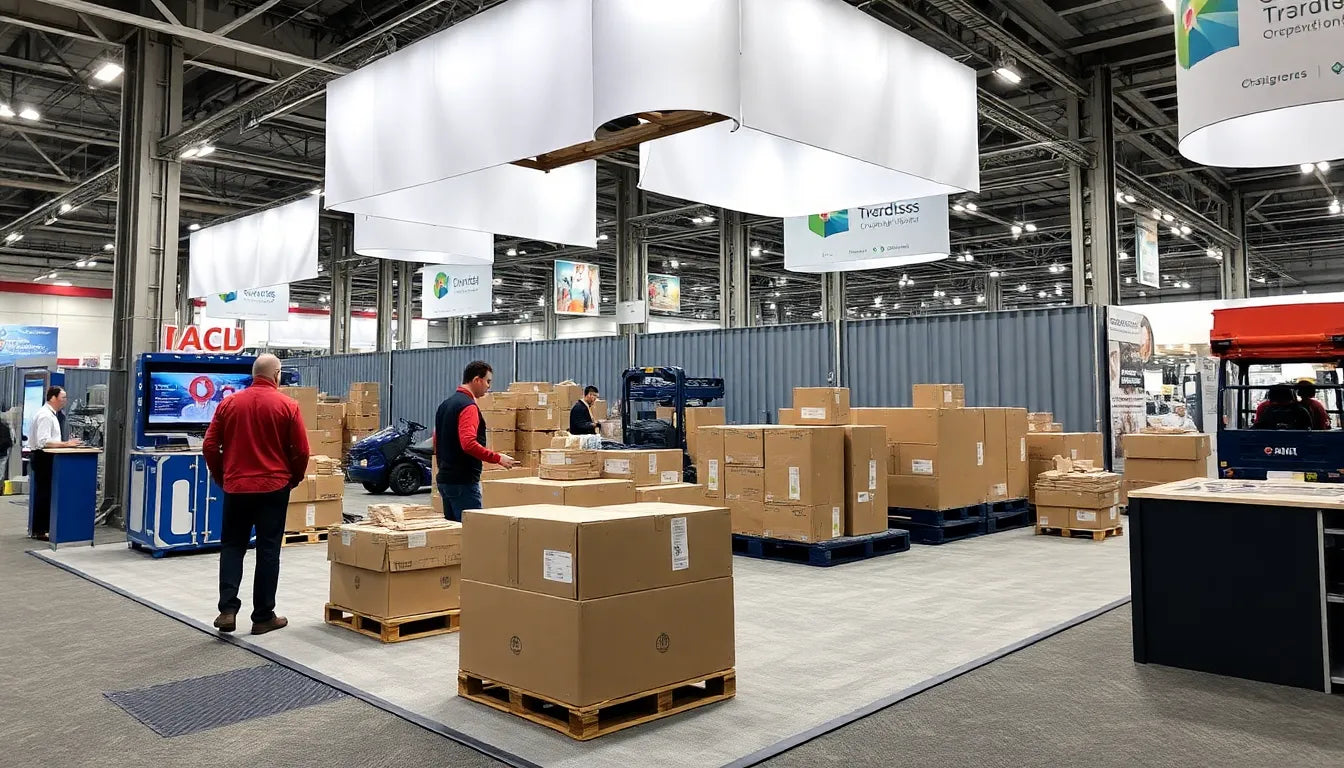
Preparing for a trade show is always exciting, but getting your materials to the venue safely and on time requires careful planning. Understanding trade show shipping services can transform a logistical headache into a streamlined process, allowing you to focus on networking and making a lasting impression.
Why Trade Show Shipping Is Different
Shipping goods or booth materials to a trade show is not like delivering standard freight. Show deadlines are strict, convention centers have tight schedules, and there are unique security protocols. Delays or damage can cost valuable marketing opportunities, so choosing the right trade show shipping services is crucial.
- Shipments must arrive within precise windows.
- Packaging must withstand handling and storage demands.
- Advance warehouse and direct-to-show site options offer flexibility.
With these unique logistics, working with experienced trade show shipping providers ensures smoother operations.
The Basics of Trade Show Shipping Services
At its core, trade show shipping involves transporting displays, samples, promotional items, and equipment from your business to the event venue. Yet, there’s more nuance:
- Pre-event planning and packing protocols
- Coordination with event official contractors and receiving staff
- Expedited or scheduled delivery and pickup
- Real-time tracking and updates
Trade show shipping services are designed to manage every phase—from preparation to delivery—so exhibitors avoid last-minute surprises.
Choosing the Right Shipping Partner
Selecting a knowledgeable partner can mean the difference between a stress-free experience and a logistical mess. Consider these essential factors:
- Expertise with trade show schedules and venues
- Clear communication and shipment tracking
- Insurance options tailored to high-value displays
- Onsite support and flexibility for changes
A seasoned provider is familiar with drayage, marshaling yards, and the documentation required for smooth handling.
Prepping Your Materials for Safe Shipping
Proper preparation minimizes the risk of loss or damage:
- Use durable, reusable shipping cases labeled with booth number, company name, and contact info.
- Inventory your items, creating detailed packing lists for reference and customs, if needed.
- Label each crate and box with your event name and location—misrouted shipments are expensive setbacks.
- Pad delicate equipment securely, and avoid over-packing to prevent shifting during transit.
A little time spent on careful packing pays dividends upon arrival.
Timing Is Everything: Scheduling and Deadlines
Trade show shipments revolve around strict timelines. Missing a window can mean expensive delays or extra fees.
There are typically two delivery options:
- Advance warehouse: Items are shipped early, received, and stored until show setup. This provides flexibility and extra peace of mind but might incur storage fees.
- Direct-to-show-site delivery: Shipments arrive during a small move-in window, requiring tight coordination and reliability. This can save on storage, but carries more risk if there are transit delays.
Either method demands thorough documentation and communication with the carrier and event staff.
Documentation and Compliance
Paperwork is not just a formality—it's essential for avoiding costly mistakes:
- Bill of Lading
- Delivery labels specific to the event
- Certificates of insurance and customs documents if needed
- Invoices and detailed packing lists
Meeting documentation requirements ensures your shipment clears security and arrives at the correct destination.
Onsite Logistics: Drayage and Inside Delivery
Once your goods arrive, the process is not over. Trade shows typically use drayage, meaning on-site contractors move your materials from the receiving dock to your booth location.
This service:
- Manages internal transport, storage, and waste removal
- May be required by the venue—budget for separate drayage fees
- Requires specific labels and compliance with event protocols
Understanding these expenses upfront helps prevent budgeting surprises.
Risk Management for Exhibitors
The stakes are high at trade shows, making proactive risk management vital:
- Insure all high-value items. General freight insurance may not fully cover specialized trade show goods.
- Use security seals and tamper-evident cases.
- Photograph equipment before shipping to document condition.
- Work with trade show shipping services that offer dedicated support and shipment monitoring.
Proactive steps contribute to your team's peace of mind and protect your investment.
Tips for Managing Return Shipping
When the show is over, it’s time to pack up—often under tight timeframes:
- Clearly label return shipments with your company name and address, plus instructions for pickup.
- Schedule pickups in advance with your shipping partner, keeping their contact handy for any changes.
- Collect leftover packing material and tools before the teardown rush.
Timely planning helps you avoid additional storage or rush fees after the show’s end.
The Value of Experience in Trade Show Shipping
All trade show shipping services promise reliability, but true expertise only comes from hands-on experience. An established provider knows how to adapt if weather, travel disruptions, or last-minute venue changes throw your schedule off.
- Choose a company with a proven record in trade show logistics.
- Ask for references and case studies of previous events supported.
- Select a team that offers real-time updates and solution-focused customer service.
Ultimately, their experience safeguards your investment and your event success.
Cost Factors in Trade Show Logistics
Understanding and budgeting for shipping is critical in your event planning:
- Weight and dimensions of your cargo directly impact costs.
- Advance warehouse versus direct show site delivery affect rates.
- Drayage, storage, and special handling fees can add up.
- Insurance, rush orders or rerouting during emergencies may incur premium charges.
Working with your shipping partner early helps clarify anticipated expenses and build a realistic budget.
Sustainable Practices in Shipping
Eco-friendly exhibiting is a growing priority. By working with green-minded shipping services and selecting reusable, recyclable packing materials, you reduce your environmental impact:
- Opt for modular booth components to lower weight and emissions.
- Reuse sturdy cases and avoid single-use plastics.
- Consolidate shipments to minimize fuel consumption and costs.
Choosing sustainability can align your brand with modern expectations and reduce your carbon footprint.
Common Pitfalls and How to Avoid Them
Knowing what can go wrong is half the battle. Common mistakes to avoid:
- Assuming general carriers are equipped for trade show demands
- Forgetting to confirm advance warehouse vs. direct delivery requirements
- Ignoring insurance limits for valuable assets
- Poor labeling and vague documentation
- Waiting until the last minute for shipment booking
Preparation and working with reliable trade show shipping services make mishaps far less likely.
Conclusion
Trade show shipping logistics don’t have to be stressful—partnering with an experienced provider, careful preparation, and attention to detail ensure your next event runs smoothly. For exhibitors, investing in specialized trade show shipping services means less worry and more time building valuable business connections.



Share:
Discover the Benefits of Pop Up Trade Show Displays
Trade Show Displays are Creative and Cost-Effective: Unlock Results at Your Next Event