

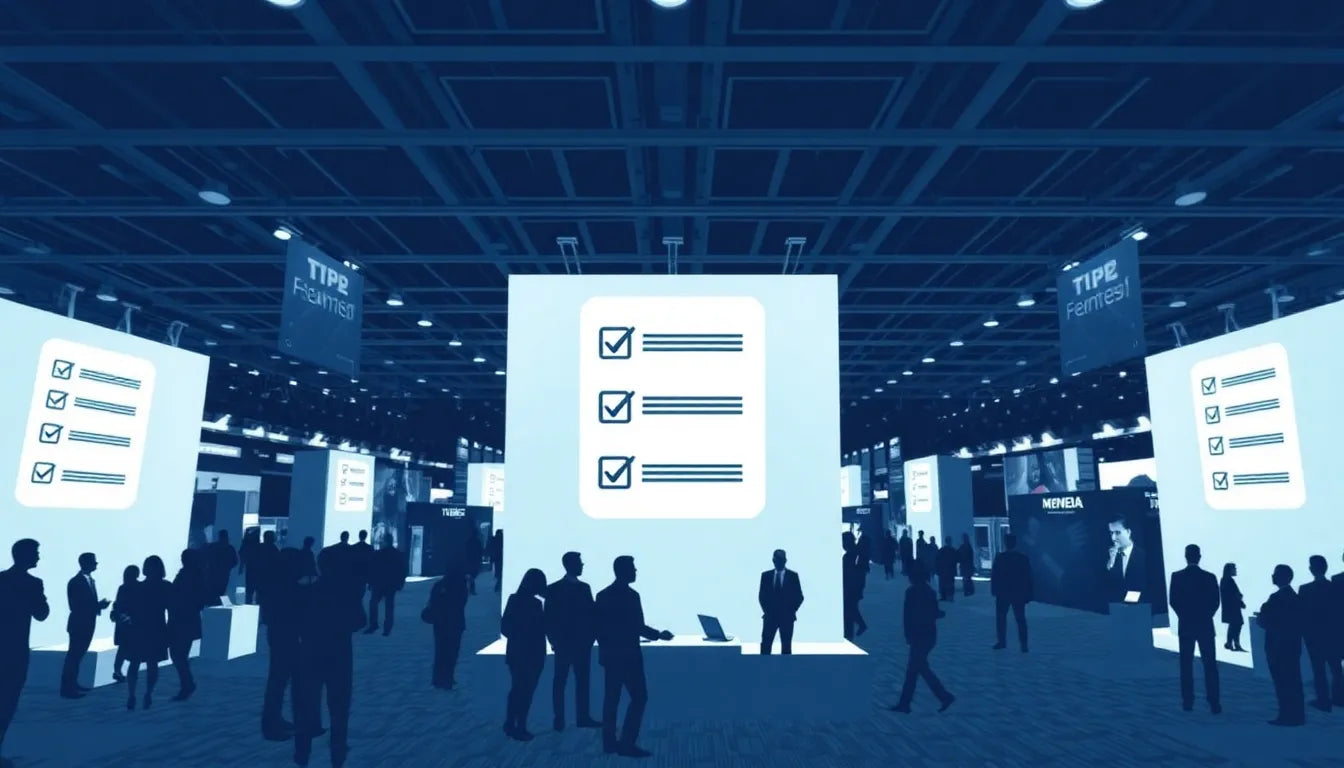

Thinking about participating in a trade show but not sure where to begin? A well-organized trade show can ignite brand awareness, connect you with new leads, and generate valuable industry insight. Our trade show planning guide will walk you through every crucial step to help your event stand out and deliver real results.
Why Trade Shows Matter More Than Ever
Trade shows remain one of the most effective ways to foster business growth. They bring together prospects, partners, and influencers in one venue, allowing for meaningful conversations and live demonstrations. Even in a world driven by digital marketing, face-to-face interactions build trust and open doors that virtual meetings often can’t.
In-person events give companies a platform to introduce their latest products, gather feedback, and keep a pulse on market trends. If you make the most of this trade show planning guide, your business will be well-positioned to leave a lasting impression and drive post-event engagement.
Start With Clear Goals and an Event Strategy
Successfully navigating a trade show requires more than just showing up. Everything starts with precise objectives and a strategic approach.
- Define your primary purpose: Generate leads, launch a product, strengthen relationships, or stand out from competitors.
- Set measurable key performance indicators (KPIs): Track outcomes like contact numbers collected, qualified leads, demos performed, or sales closed.
- Who is your target audience? Tailor messages, demos, and offers that appeal specifically to their needs.
- Assess which events align with your goals, budget, and geographic reach.
Remember, the more specific your goals, the easier it will be to plan your activities and evaluate your investment.
Budgeting for Trade Show Success
A carefully prepared budget ensures there are no financial surprises.
- Booth space and design: One of the largest expenses.
- Marketing collateral: Printed materials, handouts, and branded giveaways.
- Staff travel and accommodation: Factor in meals and local transportation.
- Promotion and advertising: Pre-show emails, social media, and trade show app listings.
- Shipping: Transporting materials, displays, and products.
- Installation and dismantling: Labor costs at the venue.
Track expenses against your forecast throughout the process. Prioritize spending where it will have the biggest impact—from eye-catching displays to skilled booth staff.
Selecting the Ideal Trade Show
Not all events are created equal. Picking the right one for your business is a pivotal step highlighted in any trade show planning guide.
- Research attendee demographics and past exhibitor feedback.
- Match your products or services to the show's theme.
- Evaluate booth locations—prime spots get higher foot traffic but may come at a premium.
- Note relevant speaking and sponsorship opportunities.
Seek a mix of shows: some large for broad exposure, others small and focused to generate qualified leads.
Timeline: When to Start Planning
Begin at least six months ahead for medium-to-large events. Here’s a helpful trade show planning timeline:
- 6+ months prior: Choose your event, book space, and set initial strategy.
- 3-5 months out: Design your booth, organize logistics, and start pre-show marketing.
- 1-2 months out: Confirm orders, train your team, and schedule meetings.
- Final weeks: Rehearse booth roles, finalize shipments, and ramp up promotions.
Early planning helps you avoid rush fees and secure your preferred booth location.
Booth Design That Attracts and Engages
Your booth serves as your brand’s first impression at the show.
- Prioritize clear, inviting signage with your company name and message.
- Use colors, images, and lighting to grab attention.
- Plan for open space—avoid clutter so attendees feel comfortable entering.
- Integrate technology such as touchscreens or tablets for interactive demos.
- Provide seating and tables for more in-depth conversations.
Investing in professional displays pays off: people are drawn to polished, well-organized booths.
Pre-Show Marketing: Build Anticipation Early
A winning trade show planning guide emphasizes starting the conversation before the doors open. Effective pre-show promotion can drive more targeted visitors to your space.
- Announce your participation via email, social media, and your website.
- Schedule meetings with top prospects or clients.
- Offer exclusive incentives for those who visit your booth.
- Use the official event hashtag and tag show organizers for more visibility.
Tease product launches or live demonstrations to spark curiosity and build excitement.
Staff Training and Assignment
Your team’s preparation can make or break your results. Properly trained staff greet, qualify, and engage leads efficiently.
- Schedule training sessions focused on your event goals, messaging, and lead qualification questions.
- Assign clear roles: greeter, product expert, sales rep, and demo specialist.
- Brief everyone on booth etiquette: professionalism, body language, and dress code.
- Practice engaging ice-breaker questions and responses to common attendee queries.
A cohesive, informed team creates a welcoming environment, leaving visitors with a positive impression.
Logistics: Shipments, Setup, and Supplies
Logistics are a crucial (and sometimes overlooked) element of your trade show planning guide.
- Create detailed checklists for all booth materials, products, and giveaways.
- Coordinate with shipping contacts for delivery/return.
- Know the venue’s rules and timelines for move-in/move-out.
- Bring backup supplies—chargers, extension cords, first aid, and extra business cards.
Consider renting or partnering with local providers for bulky displays to save on shipping and setup cost.
Maximizing Engagement During the Show
A successful show relies on active booth engagement and strategic outreach.
- Welcome every visitor with genuine interest—don’t wait for them to speak first.
- Offer hands-on product demos or interactive displays.
- Run contests or giveaways to encourage participation and data sharing.
- Collect information efficiently—use digital forms, badge scanners, or tablet signups.
- Walk the floor: network with other exhibitors, suppliers, and media.
Document the event through photos and short video clips for future marketing use.
Lead Collection and Qualification
Simply gathering business cards isn’t enough. A robust lead capture process should be a central point of your trade show planning guide.
- Develop a lead scoring system to rank contacts by interest, budget, and decision-making power.
- Note valuable details and next steps for each conversation.
- Prioritize warm leads for immediate follow-up (while the conversation is fresh).
Using a customer relationship management (CRM) platform can automate parts of this process, ensuring nothing slips through the cracks.
Post-Show Follow-Up: Turning Interest into Results
Timely follow-up transforms event conversations into actual sales or partnerships.
- Send personalized messages within a week while you’re still top-of-mind.
- Include relevant information—brochures, price lists, or a link to book a meeting.
- Connect on LinkedIn and nurture relationships through ongoing updates.
- Track responses and record interactions in your CRM for future campaigns.
A robust follow-up plan is often the difference between forgotten leads and lasting business growth.
Measuring Success and Improvement
A critical final step in every trade show planning guide: evaluate what worked, what didn’t, and why.
- Compare event performance against the KPIs set in your early planning.
- Gather team feedback: which booth layouts, messages, or incentives drove the best engagement?
- Review the quality (not just quantity) of leads generated.
- Calculate overall return on investment, factoring in direct and indirect outcomes.
Use these insights to refine your strategy for future events, creating a cycle of continual improvement.
Common Trade Show Mistakes—and How to Avoid Them
Even experienced exhibitors can fall into common pitfalls. Here’s how to stay on track:
- Not starting early enough: Leads to rushed decisions and higher costs.
- Poor staff training: Unprepared staff can’t answer questions or qualify prospects.
- Ineffective lead capture: Losing track of conversations wastes valuable opportunities.
- Neglecting pre-show and post-show efforts: Limits visitor traffic and long-term impact.
- Overwhelming booth design: Too much clutter or unclear messaging turns visitors away.
Awareness of these errors—and planning to avoid them—will set your team up for smooth execution.
Trends and Innovations in Trade Show Planning
Stay ahead of the curve by incorporating new trends to your trade show planning guide.
- Digital integration: Use QR codes, virtual business cards, and interactive displays for frictionless engagement.
- Sustainability: Eco-friendly materials and zero-waste strategies appeal to today’s attendees.
- Hybrid event experiences: Offer streaming demos or digital meetings for remote prospects.
- Data analytics: Harness real-time data to measure outcomes and inform next steps.
Adapting to these trends signals that your brand is innovative, engaging attendees in new and meaningful ways.
Trade Show Planning Checklist
Every thorough trade show planning guide includes a checklist. Customize these steps for your business:
- Set objectives and KPIs.
- Select the ideal event and book your booth.
- Establish budget and timeline.
- Design booth displays and order materials.
- Plan travel and logistics.
- Create pre-show promotional materials.
- Train your on-site team.
- Schedule meetings with key prospects.
- Prepare lead capture tools and processes.
- Execute at the show.
- Complete post-event follow-up and evaluation.
Checklists minimize oversights and help teams stay organized, especially when managing complex events.
Conclusion
With this comprehensive trade show planning guide, you have the tools to confidently manage every step, from initial strategy to post-show follow-up. Smart, early planning and a customer-centric approach will make your next event both memorable and productive—so start organizing your next trade show today.



Share:
Why the Last Day of Your Trade Show Is Important: Unlocking Unexpected Opportunities
Tips For Success With Trade Show Exhibits